Hot weather can become dangerous for older adults, especially when early signs of heat exhaustion go unnoticed. Seniors may struggle to regulate body temperature, recognize dehydration, or communicate discomfort. For families supporting aging loved ones, professional adult caregiver services can provide valuable assistance with daily routines and safety monitoring. Understanding heat exhaustion in seniors helps caregivers recognize concerning changes, respond promptly, and prevent potentially life-threatening complications.
Table of Contents
Heat Exhaustion in Seniors: Warning Signs at a Glance
Heat exhaustion occurs when the body struggles to cool itself, often after losing too much water and salt through sweating. The following table summarizes six warning signs and practical steps caregivers can take.
|
Warning Sign |
What Caregivers May Notice | Potential Concern |
Recommended Action |
|
Dizziness or lightheadedness |
Unsteady walking, feeling faint, sudden balance problems | Dehydration, reduced blood pressure, increased fall risk |
Help the senior sit or lie down in a cool location |
|
Heavy sweating or clammy skin |
Unusually damp clothing, cool and moist skin | Difficulty regulating body temperature |
Remove excess clothing and apply cool, damp cloths |
|
Excessive thirst or dehydration |
Dry mouth, dark urine, less frequent urination | Significant fluid loss |
Offer small sips of water if the person is fully alert and can swallow safely |
|
Headache, nausea or vomiting |
Persistent headache, upset stomach, vomiting | Developing heat illness and possible fluid loss |
Begin cooling and seek medical advice promptly |
|
Unusual weakness or muscle cramps |
Difficulty performing routine activities, painful muscle contractions | Heat stress and loss of fluids or electrolytes |
Stop physical activity and allow supervised rest |
|
Rapid heartbeat or breathing |
Noticeably faster pulse or breathing than usual | Increasing strain on the body |
Start cooling and arrange prompt medical assessment |
Important: These symptoms require attention, particularly in older adults. Confusion, loss of consciousness, seizures, or other signs of heat stroke require immediate emergency assistance. Call 911 in Canada.
What Are the 6 Signs and Symptoms of Heat Exhaustion in Seniors?
Recognizing the signs and symptoms of heat exhaustion early can prevent a manageable situation from becoming a medical emergency.
-
Dizziness and Lightheadedness
A senior may suddenly feel unsteady, especially when standing or walking. Heat-related fluid loss can contribute to dizziness and low blood pressure, increasing the likelihood of falls.
Caregivers should notice unexpected balance difficulties or complaints of feeling faint and help the person rest safely.
-
Heavy Sweating and Clammy Skin
Heavy sweating is a common response to overheating. Skin may feel unusually moist or clammy, even when the person is resting.
However, some older adults sweat less because of age-related changes or medications. The absence of heavy sweating does not rule out heat-related illness.
-
Excessive Thirst and Dehydration
Extreme thirst, a dry mouth, reduced urination, or unusually dark urine may indicate dehydration.
Because the sensation of thirst can diminish with age, caregivers should not wait for seniors to request water before encouraging appropriate hydration.
-
Headaches, Nausea and Vomiting
Heat exposure may cause persistent headaches, stomach discomfort, or vomiting.
These symptoms can become particularly concerning when accompanied by dizziness or weakness. Vomiting can also make it harder to replace lost fluids.
-
Unusual Fatigue and Muscle Cramps
Unexpected exhaustion, physical weakness, and painful muscle cramps may develop when the body loses fluids and electrolytes.
Watch for changes in everyday abilities, such as difficulty standing, walking short distances, or completing familiar activities.
-
Rapid Heartbeat and Breathing
Heat stress may cause the heart to beat faster as the body works to maintain circulation and regulate temperature.
Rapid breathing may also occur. If these symptoms are new, persistent, or accompanied by chest pain or severe breathing difficulty, seek urgent medical assistance. Although these are recognized signs of heat exhaustion in adults, symptoms may appear less obvious in older individuals. Caregivers should pay attention to changes from the person’s usual condition.
Why Are Seniors More Vulnerable to Heat Exhaustion?
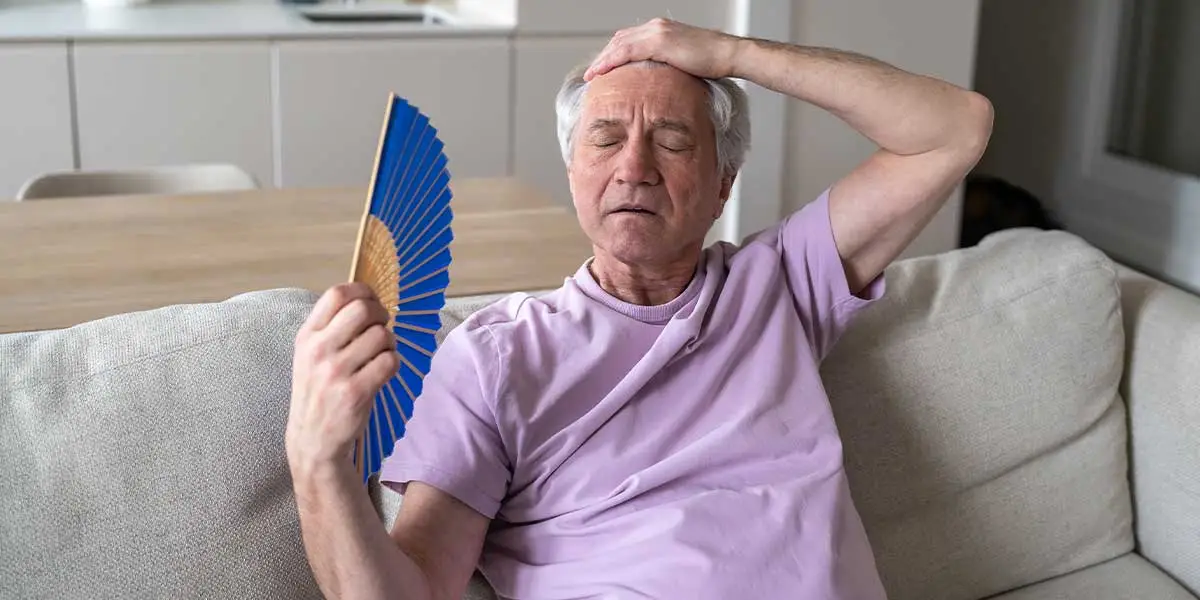
Age-related changes make it harder for older adults to respond effectively to high temperatures. The body may produce less sweat, adjust more slowly to temperature changes, and provide weaker thirst signals. Limited mobility can also prevent seniors from reaching cooler environments independently.
Several additional factors increase vulnerability:
- Chronic conditions: Heart disease, kidney problems, and diabetes can increase heat-related health risks.
- Medications: Certain diuretics, antihistamines, and other prescriptions may affect hydration or temperature regulation.
- Cognitive impairment: Seniors with dementia may not recognize overheating or remember to drink water.
- Social isolation: Older adults living alone may experience symptoms without anyone noticing.
Families should discuss individual heat risks with a healthcare professional, particularly when a senior takes multiple medications. Never change prescribed medications without medical guidance.
Heat Exhaustion vs. Heat Stroke: When Should Caregivers Call 911?
Heat exhaustion and heat stroke are related but medically different conditions. Heat exhaustion indicates that the body is struggling to manage excessive heat. Heat stroke is a life-threatening emergency involving dangerously impaired temperature regulation and potentially serious organ damage.
Warning signs of possible heat stroke include:
- Confusion, unusual behaviour, or difficulty speaking clearly
- Loss of consciousness or seizures
- Very high body temperature
- Hot skin that may be dry or sweaty
- Severe loss of coordination
Call 911 immediately if heat stroke is suspected. Do not wait for every symptom to appear. While waiting for emergency responders, move the person somewhere cooler if safe, remove excess clothing, and apply cool water or wet cloths to the skin. Fan the person to support cooling.
Never give fluids to someone who is confused, unconscious, or unable to swallow safely. For suspected heat exhaustion without emergency warning signs, begin cooling immediately, offer water if safe, and seek prompt medical advice. Worsening symptoms or failure to improve require urgent assessment.
How Can Caregivers Prevent Heat Exhaustion in Seniors at Home?
Preventing heat exhaustion symptoms in seniors starts with a comfortable indoor environment and consistent daily monitoring.
Caregivers and family members can implement several practical measures:
- Monitor indoor temperatures: Use a room thermometer and aim to keep living spaces below 26°C during hot weather.
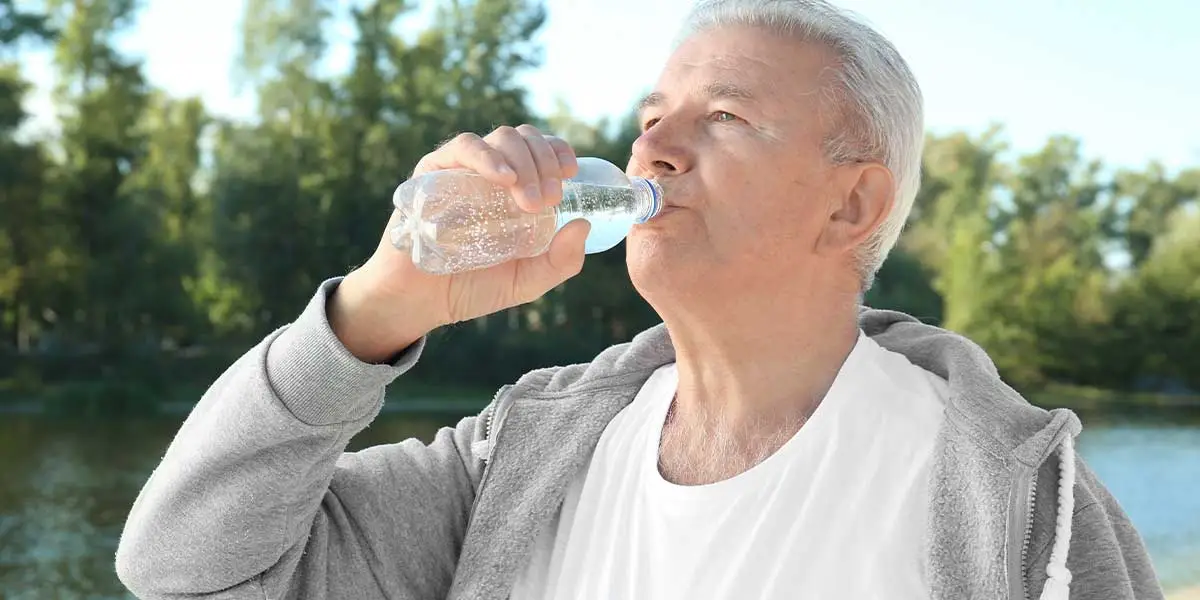
- Encourage regular hydration: Offer water throughout the day, following medical advice if fluid restrictions apply.
- Limit outdoor exposure: Schedule walks and appointments during cooler morning or evening hours.
- Choose suitable clothing: Encourage loose-fitting, lightweight, breathable fabrics.
- Create cooler spaces: Close sun-facing curtains, use air conditioning, and consider public cooling centres when necessary.
- Check in frequently: Monitor older adults living alone, especially during prolonged heat warnings.
Home thermometers and routine wellness checks can help identify unsafe conditions before symptoms develop.
Families exploring the benefits of home care for seniors can also consider personalized assistance with hydration reminders, meal preparation, mobility, and daily comfort. Professional non-medical caregivers can observe changes, communicate concerns to family members, and follow established emergency procedures. Their support complements rather than replaces medical care.
Protect Your Loved Ones With Trusted Senior Home Care
Protecting seniors during hot weather requires awareness, preparation, and thoughtful daily support. Recognizing early warning signs and maintaining a cooler living environment can make a meaningful difference. At Trust Hands, our compassionate caregivers provide personalized, non-medical home care that supports seniors’ safety, comfort, dignity, and independence across Vancouver and surrounding communities.
Contact our team to discuss a personalized home care plan for your loved one.