
Aging at home allows seniors to maintain their independence while receiving the support they need. From daily assistance to companionship, the benefits of home care for seniors extend to their physical comfort, emotional well-being, and family relationships. With personalized Home Care Services in Vancouver, older adults can continue living comfortably in familiar surroundings.
At Trust Hands, we believe quality care should respect each person’s preferences, routines, and dignity.
Table of Contents
18 Home Care Benefits at a Glance
| Benefit | Practical Support | Best Suited For |
| 1. Familiar surroundings | Remaining in a known home and neighbourhood | Seniors uncomfortable with relocation |
| 2. Independence | Assistance without taking over daily decisions | Older adults who value autonomy |
| 3. Personalized attention | Care tailored to individual needs | Seniors requiring specific routines |
| 4. Privacy and dignity | Respectful assistance with personal activities | Seniors needing sensitive personal care |
| 5. Emotional stability | Consistent routines during life changes | Seniors adjusting to increased dependency |
| 6. Companionship | Conversation, shared activities, social visits | Older adults experiencing loneliness |
| 7. Household safety | Clutter removal and mobility assistance | Seniors with balance difficulties |
| 8. Personal hygiene | Help with bathing, dressing, and grooming | Seniors with limited mobility |
| 9. Mental engagement | Puzzles, reading, and interactive activities | Seniors seeking cognitive stimulation |
| 10. Nutrition | Meal preparation and hydration reminders | Seniors struggling with meal routines |
| 11. Medication reminders | Reminders to follow prescribed schedules | Seniors who occasionally forget doses |
| 12. Mobility support | Accompanied walks, errands, and appointments | Seniors needing assistance outside |
| 13. Flexible scheduling | Hourly, occasional, or ongoing support | Families with changing schedules |
| 14. Caregiver respite | Temporary relief from caregiving responsibilities | Family members providing regular care |
| 15. Family reassurance | Updates about daily routines and concerns | Families living or working away |
| 16. Cost flexibility | Paying for an appropriate level of support | Seniors needing limited assistance |
| 17. Recovery support | Non-medical assistance after discharge | Seniors recovering at home |
| 18. Adaptable care | Adjusting routines and support as needs change | Seniors with evolving care requirements |
What Are the Benefits of In-Home Care for Seniors?
The greatest benefits of in-home care for seniors come from combining practical assistance with the freedom to maintain a familiar lifestyle.
-
Aging Comfortably in a Familiar Environment
Home offers familiar surroundings, treasured belongings, and established routines. Remaining there can provide emotional comfort and reduce the disruption associated with moving into residential care.
-
Maintaining Independence and Daily Routines
Seniors can continue choosing when to eat, sleep, socialize, and enjoy activities. Caregivers assist where necessary while encouraging older adults to retain control over everyday decisions.
-
Receiving Personalized, One-on-One Attention
Unlike standardized care schedules, home support can reflect individual preferences, mobility levels, and daily needs. This personalized approach ensures assistance focuses on what matters most to each senior.
-
Preserving Privacy and Personal Dignity
Receiving assistance with bathing, dressing, or grooming can feel sensitive. In-home caregivers respect personal boundaries, communicate clearly, and encourage participation to protect each person’s dignity.
-
Reducing Stress During Life Transitions
Retirement, reduced mobility, or recovery from illness may disrupt established routines. Familiar surroundings and consistent assistance can make these transitions more manageable and less overwhelming.
-
Enjoying Meaningful Companionship
Regular conversation, shared interests, and social activities help seniors feel connected. Companionship is particularly valuable for older adults who live alone or have limited opportunities for interaction.
Everyday Advantages of Home Care for the Elderly
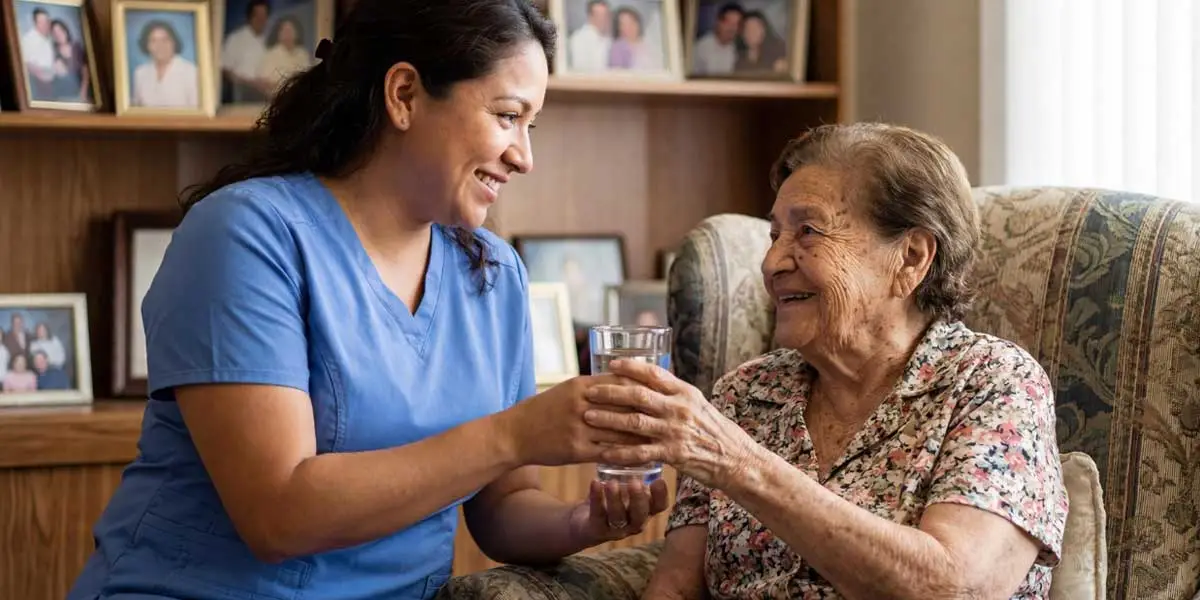
Many advantages of home care for the elderly involve small, practical improvements that make daily activities safer and easier.
-
Reducing Fall Risks and Household Hazards
Caregivers can help keep walkways clear, organize frequently used items, and assist with movement. These precautions may reduce avoidable household hazards, although they cannot eliminate fall risks.
-
Supporting Personal Hygiene and Grooming
Assistance with dressing, bathing, and grooming helps seniors maintain personal hygiene without unnecessary physical strain. Respectful support also encourages confidence and comfortable daily routines.
-
Encouraging Mental Stimulation and Cognitive Engagement
Reading, puzzles, and conversation provide enjoyable opportunities for mental activity. Seniors may also explore free word games for the elderly to practise vocabulary, attention, and problem-solving at their own pace.
-
Making Nutritious Meals and Hydration Easier
Shopping, preparing meals, and drinking enough water can become challenging with age. Caregivers can assist with meal preparation, accommodate dietary preferences, and provide regular hydration reminders.
-
Providing Reliable Medication Reminders
Remembering medication schedules may become difficult. Non-medical caregivers can provide reminders according to established care plans, helping seniors maintain routines without administering medication or changing prescribed treatments.
-
Helping with Mobility, Errands and Appointments
Accompaniment to appointments, grocery stores, and community activities helps seniors remain active. Appropriate mobility assistance can also make everyday outings more comfortable and accessible.
Family and Financial Benefits of Home Care for Seniors
Home care supports not only older adults but also the relatives responsible for coordinating their daily well-being.
-
Offering Flexible Care Schedules
Families can arrange support for occasional visits, scheduled daily assistance, or longer-term needs. Flexible arrangements allow care to reflect changing circumstances without automatically requiring residential placement.
-
Providing Respite for Family Caregivers
Providing regular care can be physically and emotionally demanding. Professional caregivers offer temporary relief, allowing family members to rest, work, or manage personal responsibilities.
-
Improving Family Communication and Peace of Mind
Regular updates about daily activities and observed concerns help families stay informed. This communication can reduce uncertainty, particularly when relatives cannot visit frequently.
-
Managing Home Care Costs Based on Actual Needs
Home care can be financially practical when seniors require limited assistance. Families can select appropriate service hours, although extensive or round-the-clock support may cost more than residential alternatives.
-
Supporting Recovery After Hospital Discharge
Following hospital discharge, seniors may need help preparing meals, dressing, moving around, or attending follow-up appointments. Non-medical home support makes these daily responsibilities easier while healthcare professionals manage clinical recovery.
-
Adapting Care as Seniors’ Needs Change
A senior’s support requirements may increase over time. Personalized care plans can be reviewed and adjusted to accommodate changes in mobility, daily functioning, or family circumstances.

Benefits of In-Home Care for Seniors vs. Residential Care
The benefits of in-home care for seniors are particularly valuable when individuals can remain safely at home with appropriate assistance.
| Factor | In-Home Care | Residential Care |
| Living environment | Familiar personal home | Shared care setting |
| Independence | Greater control over routines | Facility schedules may apply |
| Assistance | Customized visits or ongoing support | Support based on facility services |
| Medical availability | Requires separate clinical arrangements | Depends on facility type |
| Costs | Based on hours and services | Depends on facility and care level |
Neither option suits everyone. Seniors requiring continuous clinical supervision may benefit more from an appropriately equipped residential facility.
Benefits of Home Health Care for Seniors: Medical vs. Non-Medical Support
Understanding the benefits of home health care for seniors requires distinguishing medical services from everyday caregiving.
Medical home health care may include skilled nursing, wound management, injections, or rehabilitation delivered by qualified healthcare professionals.
Non-medical home care focuses on companionship, personal assistance, meal preparation, mobility support, and household routines. These services can complement one another. At Trust Hands, our focus is compassionate, non-medical assistance that supports independence while clinical needs remain under the supervision of appropriate healthcare professionals.
Advantages of Home Care: Is It Right for Your Family?
The advantages of home care extend beyond convenience. Personalized assistance can help seniors maintain familiar routines, meaningful relationships, and greater control over daily life.
The right choice depends on health needs, home safety, personal preferences, and available family support. Trust Hands provides flexible, non-medical senior care across Vancouver and surrounding communities. Contact our team to discuss a personalized care plan that respects your loved one’s needs and independence.