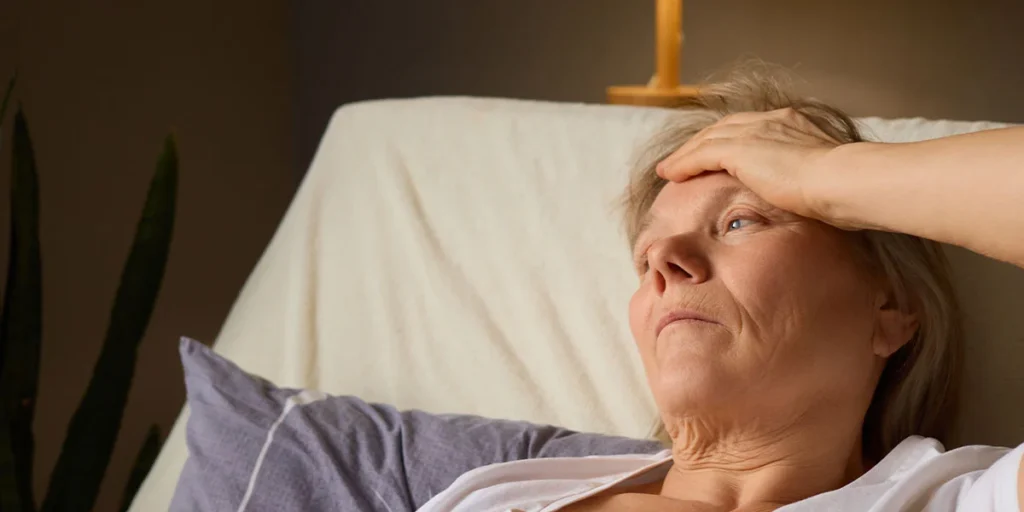
A familiar home should be a place where older adults feel comfortable and confident. Yet everyday activities, such as getting out of bed or taking a shower, can become challenging when balance or mobility changes. Fall prevention for seniors begins with recognizing these risks and making practical adjustments. For individuals requiring ongoing assistance, 24-Hour Home Care in Vancouver can provide additional support with daily routines.
Falls are not an inevitable part of aging. Many household hazards can be addressed through better lighting, safer furniture arrangements, appropriate equipment, and regular movement. Small improvements can make a meaningful difference without taking away a person’s independence. For seniors recovering from motor vehicle injuries, mobility challenges may require additional attention. Eligible individuals can explore ICBC Home Care Services Vancouver for authorized homemaking and personal care assistance during recovery.
Table of Contents
Room-by-Room Fall Prevention Checklist
Use this checklist to identify hazards, prioritize improvements, and decide when professional support may be helpful.
| Home Area | Potential Hazard | Recommended Action | Priority |
| Bathroom | Slippery floors and difficult transfers | Install professionally secured grab bars, non-slip surfaces, and appropriate bathing equipment | High |
| Bedroom | Poor nighttime visibility | Add bedside lighting and keep the bathroom route clear | High |
| Kitchen | Spills and hard-to-reach items | Store essentials within easy reach and clean spills immediately | Medium |
| Living Room | Loose rugs and electrical cords | Remove trip hazards and arrange furniture to create clear pathways | High |
| Stairs | Missing handrails or uneven steps | Secure handrails, repair damaged steps, and improve lighting | High |
| Hallways | Clutter and dark corners | Remove obstacles and install adequate lighting | High |
| Entrances | Rain, ice, and slippery steps | Maintain outdoor surfaces, improve drainage, and use suitable non-slip materials | High |
| Daily Mobility | Weakness or balance difficulties | Request a professional assessment and use appropriate mobility support | High |
Priorities are general guidance. Previous falls, mobility limitations, and the severity of individual hazards should determine which changes come first.
Fall Prevention for Seniors at Home: Where to Start
Begin with a walkthrough of the home alongside the older adult. Notice where they hesitate, reach for furniture, or struggle to stand. Address immediate dangers first, particularly slippery bathroom surfaces, unsecured stairs, and blocked walking routes.
Also consider personal risk factors. Dizziness, vision changes, medication side effects, or a recent fall deserve attention from a healthcare professional. Home modifications work best when combined with an assessment of individual needs.
Room-by-Room Fall Prevention Tips for Seniors
Every room presents different challenges. The following recommendations focus on practical changes that improve everyday safety.
Bathroom: Prevent Slips Around Showers and Toilets
- Bathrooms combine wet surfaces with movements that require balance and coordination.
- Install properly anchored grab bars beside the toilet and inside the shower. Use non-slip flooring or secured shower mats, and consider a shower chair when standing becomes difficult.
- Avoid relying on towel rails for support. If transfers are challenging, an occupational therapist can recommend suitable equipment and modifications.
Bedroom: Make Nighttime Movement Safer
- Getting up during the night can be risky when visibility is limited.
- Keep a bedside lamp, phone, and frequently needed belongings within easy reach. Motion-activated night lights can illuminate the route to the bathroom.
- Check that the bed allows comfortable sitting and standing, with feet reaching the floor. Remove loose slippers, clothing, and other obstacles from walking areas.
Kitchen: Reduce Reaching and Spill Hazards
- Kitchen safety depends on keeping essential items accessible and reducing unnecessary movement.
- Store frequently used dishes, utensils, and ingredients between waist and shoulder height. Avoid standing on chairs to reach cupboards.
- Clean spills immediately and consider a stable chair for food preparation when fatigue affects balance. Keep regularly used appliances accessible without stretching across countertops.
Living Room: Keep Furniture and Walkways Safe
- Living rooms often contain several small obstacles that are easy to overlook.
- Remove loose rugs, keep electrical cords away from walking routes, and arrange furniture to provide enough space for mobility aids.
- Choose stable chairs with supportive armrests and suitable seat heights. Avoid lightweight furniture that could tip if someone uses it for balance.
Stairs, Hallways and Entrances: Improve Footing and Visibility
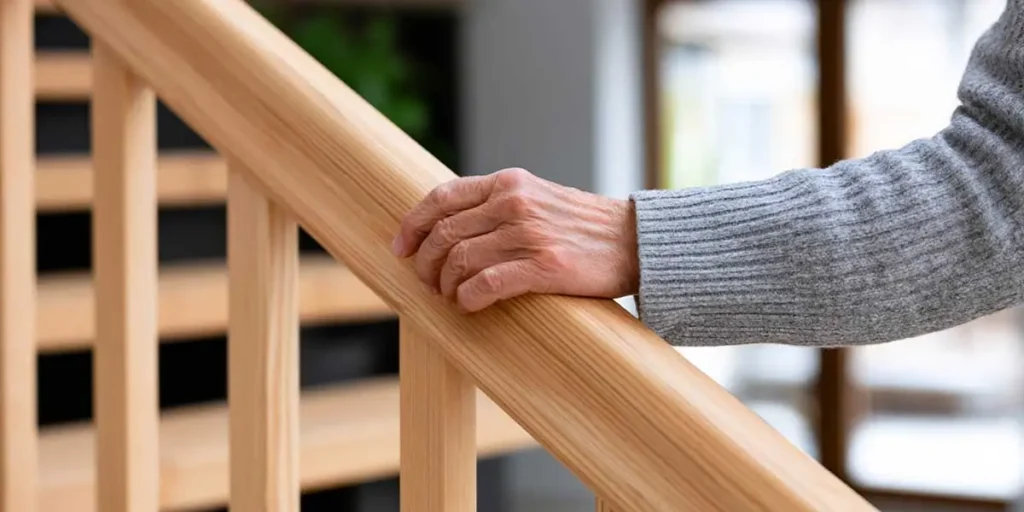
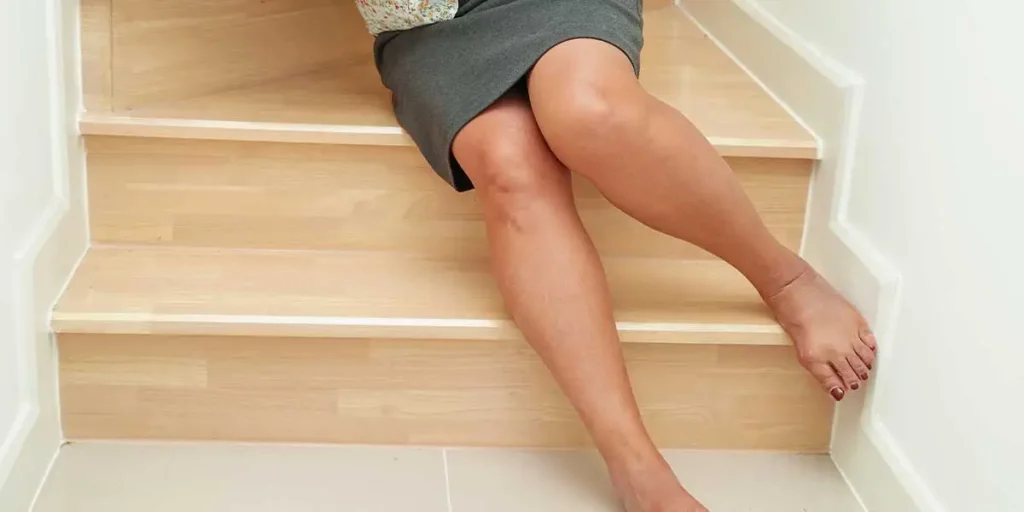
- Install secure handrails on both sides of staircases wherever practical. Ensure steps are even, clearly visible, and free from stored belongings.
- Hallways need consistent lighting and unobstructed routes.
- In Vancouver’s rainy conditions, entrances require particular attention. Use secure, low-profile entrance mats, maintain outdoor steps, and clear ice or wet leaves promptly. These precautions are especially important for seniors who regularly move between indoor and outdoor spaces.
Slip and Fall Prevention for Seniors: Everyday Safety Habits
A safer home also depends on daily habits. Encourage well-fitting, non-slip footwear rather than loose slippers or socks on smooth floors. Keep glasses prescriptions current and use prescribed walking aids consistently. Avoid rushing to answer the door or telephone. Seniors experiencing dizziness when standing should discuss this with their healthcare provider. Regular medication reviews are also important because some medicines can affect alertness or balance. Never change prescribed medication without professional guidance.
Fall Prevention for Seniors Exercises: Building Strength and Balance
Appropriate physical activity can improve strength, stability, and confidence. Examples include controlled sit-to-stand movements, supported heel raises, and gentle walking. Tai Chi may also help improve balance. Exercise selection should reflect the person’s abilities and health conditions. Seniors with significant instability, recent injuries, or repeated falls should seek guidance from a physiotherapist before starting unfamiliar movements. Consistency matters more than intensity. A manageable routine is generally more useful than occasional demanding sessions.
Fall Prevention for Seniors Classes: Choosing a Suitable Program
Structured programs can provide instruction, encouragement, and opportunities to practise movement safely. Look for classes led by qualified instructors who understand older adults’ mobility limitations. Ask whether exercises can be adapted for participants who use walking aids or experience fatigue. Programs that combine balance and strength training are particularly valuable. Community centres and healthcare providers may be able to recommend suitable local options.
Fall Prevention Games for Seniors: Making Movement Engaging
Enjoyable activities can encourage regular participation without making movement feel like a chore. Seated balloon games, gentle reaching activities, and simple coordination exercises may promote movement and engagement when appropriately adapted. Choose activities based on individual abilities, provide stable support where needed, and avoid tasks requiring sudden movements. Games can complement physical activity but should not replace structured balance training.
Fall Prevention for the Elderly: When Home Care Support Helps
Some older adults need assistance beyond household modifications, particularly when bathing, dressing, or moving between rooms becomes difficult. Non-medical caregivers can help maintain clear walking areas, support established mobility routines, provide appropriate personal assistance, and communicate concerns to families.
Understanding the advantages of home care can help families choose support that respects personal preferences while addressing everyday safety needs. When mobility deteriorates or falls become frequent, caregivers should encourage assessment by qualified healthcare professionals rather than relying on supervision alone.
Conclusion: Creating a Safer Home Without Losing Independence
A safer home does not require changing everything at once. Thoughtful adjustments, appropriate exercise, and timely assistance can help older adults maintain familiar routines with greater confidence. Trust Hands provides personalized, non-medical home care in Vancouver, helping families arrange practical daily support while respecting each person’s comfort, dignity, and independence.
Frequently Asked Questions
How to Prevent Seniors from Falling?
Remove household trip hazards, improve lighting, install suitable safety equipment, and encourage appropriate strength and balance activities. Medication reviews and professional fall-risk assessments can identify additional concerns.
Do Fall Prevention Programs Work?
Yes. Evidence-based programs, particularly those involving balance and functional exercises, can reduce fall rates among older adults. Effectiveness depends on appropriate program selection, participation, and individual health needs.
Is Fall Prevention Covered by Medicare?
In the United States, Medicare Part B covers eligible annual wellness visits that include fall-risk assessment and prevention planning. Coverage for additional treatment varies. In Canada, healthcare coverage follows provincial rules, so BC residents should check applicable MSP benefits and supplementary insurance.
Why Is Preventing Falls So Important for Elderly Residents?
Falls can cause fractures, hospitalization, reduced mobility, and loss of confidence. Prevention helps older adults continue meaningful daily activities while reducing avoidable risks to their health and independence.